Popping Pills in the Dark: What the Supplement Industry Doesn't Want You to Know About That 'Natural' Bottle
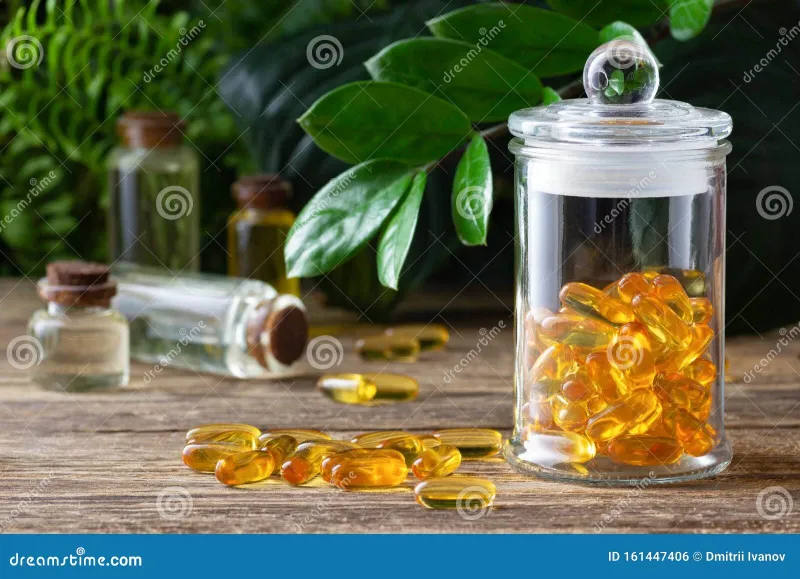
Photo: natural supplement bottles vitamins pills on wooden table with herbs, via thumbs.dreamstime.com
You're doing the right things. You eat whole foods, you read ingredient labels, you skip the drive-through. And every morning, you shake out a handful of supplements — a multivitamin, maybe some magnesium, a fish oil capsule — because you're investing in your health. That's the story you've been sold, anyway.
Here's the uncomfortable part: that bottle with the green leaf logo and the word natural stamped across the front? It might be one of the least regulated products in your entire home.
The supplement industry in the United States is a $50+ billion annual business operating under rules that would make a food manufacturer blush. And the gap between what's on the label and what's actually in the capsule is wider than most people realize.
The FDA's Hands Are Mostly Tied
Unlike prescription drugs — which must be proven safe and effective before they hit pharmacy shelves — dietary supplements don't need FDA pre-approval to be sold. The 1994 Dietary Supplement Health and Education Act (DSHEA) essentially shifted the burden of proof: manufacturers are responsible for ensuring their products are safe, and the FDA can only step in after a product is already on the market and causing documented harm.
What that means in practice is that a company can formulate a supplement, slap a wellness claim on it, and start selling it at your local Whole Foods or on Amazon without a single government official signing off on what's inside. The FDA does have Good Manufacturing Practice (GMP) regulations in place, but enforcement is inconsistent and resources are thin. A 2023 review by the Government Accountability Office found that the FDA inspects supplement facilities far less frequently than food or drug manufacturers — and warning letters, when they do come, often arrive years after a problem first surfaces.
So who's actually checking? In many cases, nobody.
'Natural' Is a Marketing Word, Not a Legal Standard
This is where the labeling games get genuinely frustrating. Walk down any supplement aisle and you'll see words like natural, plant-based, whole food formula, and organic scattered across packaging with the kind of confidence that implies serious regulatory backing. Most of it is marketing copy.
The FDA has no formal definition for "natural" on supplement labels. None. That means a manufacturer can use synthetic fillers, petroleum-derived coating agents, or artificial flow enhancers — and still call the product natural as long as the active ingredient originated from a plant or mineral source at some point in the supply chain.
Common fillers and binders you'll find hiding in "natural" supplements include magnesium stearate (a synthetic lubricant), titanium dioxide (a whitening agent with emerging health concerns), carrageenan (a thickener linked to gut inflammation in some studies), and silicon dioxide. None of these are inherently catastrophic in small doses, but they're also not what most health-conscious consumers think they're signing up for.
And then there's the heavier problem.
Heavy Metals: The Contamination Nobody Advertises
Soil-based and botanical supplements — things like spirulina, ashwagandha, turmeric, and herbal blends — are particularly vulnerable to heavy metal contamination. Lead, arsenic, cadmium, and mercury can accumulate in plants from contaminated growing soil, and if the manufacturer isn't rigorously testing incoming raw materials, those metals travel straight into your capsule.
Consumer Labs, an independent supplement testing organization, has repeatedly found detectable levels of heavy metals in popular products across multiple categories. In 2022 alone, tested products ranging from protein powders to herbal supplements showed lead levels that exceeded California's Prop 65 safe harbor limits — a threshold that, while not a federal standard, represents one of the few meaningful consumer benchmarks available.
The problem is compounded by global sourcing. A large percentage of raw supplement ingredients are imported from India, China, and other countries where agricultural standards and soil contamination levels vary enormously. Unless a company is independently verifying what arrives at their facility — and many aren't — contamination can slip through entirely undetected.
Third-Party Testing: The Gold Standard That's Still Optional
The good news is that a legitimate quality control system does exist. Several independent organizations — NSF International, USP (U.S. Pharmacopeia), Informed Sport, and ConsumerLab — offer third-party testing and certification programs that verify a supplement actually contains what the label claims, at the stated potency, without dangerous contaminants.
The bad news? Participation is completely voluntary, and the majority of supplements on store shelves haven't gone through any of it.
A certification seal from one of these organizations isn't a guarantee of perfection, but it's one of the strongest signals available that a company is willing to be held accountable. If a brand can't point you toward third-party test results — ideally a Certificate of Analysis (COA) that's publicly available or provided on request — that absence tells you something important.
Your Practical Checklist for Actually Clean Supplements
Navigating this space doesn't have to mean a chemistry degree or hours of research per product. Here's what to actually look for:
Check for a third-party certification seal. Look for NSF Certified for Sport, USP Verified, or Informed Sport on the label. These aren't perfect systems, but they're the best independent verification available to consumers.
Ask for the COA. Reputable brands will have a Certificate of Analysis available — either on their website or via customer service. If they don't know what you're talking about, walk away.
Read the "Other Ingredients" list. This is where the fillers live. Ideally, you want a short list with recognizable ingredients. Avoid products with titanium dioxide, artificial colors (often listed as FD&C dyes), or carrageenan if gut health is a concern.
Be skeptical of proprietary blends. When a label lists a "proprietary blend" with a total weight but no individual ingredient amounts, you have no way of knowing whether you're getting a therapeutic dose or a token dusting of the active ingredient.
Research the brand's sourcing transparency. Companies genuinely committed to clean products will talk openly about where their ingredients come from, how they test raw materials, and what their manufacturing standards look like. If the website is vague, the product probably is too.
Price can be a signal — but not always. Cheap supplements often cut corners on sourcing and testing. But expensive supplements can also be overpriced greenwash. The certification and COA matter more than the price tag.
The Bigger Picture
None of this means supplements are inherently bad or that you should toss everything in your cabinet. Plenty of thoughtfully made, rigorously tested products exist, and for many people, targeted supplementation genuinely supports health. The issue isn't the concept — it's the industry's exploitation of consumer trust and regulatory loopholes to sell something that sounds clean without having to prove it.
At Pura Earth, we believe that truly clean living means demanding transparency at every step — including what goes into the capsules you swallow every morning. Your health deserves more than a green leaf and a vague promise. It deserves actual accountability.
Do the homework. Ask the hard questions. And when a brand can't answer them, let that be your answer.