Bottled and Sold: The Ugly Truth Behind Premium Hydration — And Smarter Ways to Quench Your Thirst
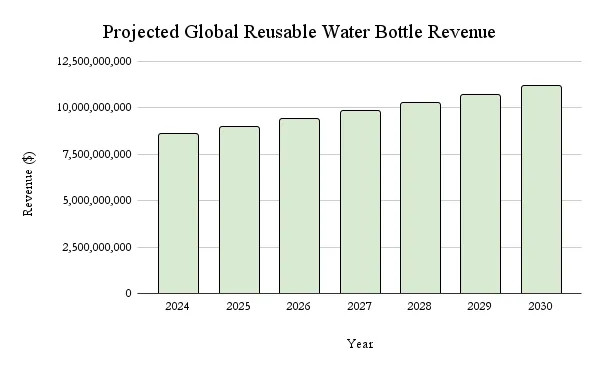
Photo: Avaknight, CC0, via Wikimedia Commons
There's something almost poetic about paying $4 for a bottle of water in a country where clean water flows from most kitchen faucets. Yet here we are. Americans spend over $19 billion a year on bottled water alone, and that number climbs higher when you fold in the exploding market for electrolyte drinks, alkaline water, hydrogen-infused beverages, and adaptogen-spiked hydration products that line the wellness aisles of every upscale grocery store from Portland to Miami.
The messaging is irresistible: pure, ancient, sourced from pristine mountain springs, optimized for your cells. It's the language of health and nature, bottled in single-use plastic and shipped thousands of miles to your gym bag. And it's worth asking — at whose expense, exactly, is all this purity being delivered?
Where Does "Pure" Water Actually Come From?
Let's start with the basics, because the sourcing story behind most bottled water brands is far murkier than their alpine imagery suggests.
A significant portion of bottled water sold in the US — including major brands like Dasani (Coca-Cola) and Aquafina (PepsiCo) — is simply municipal tap water that has been filtered and repackaged. You're paying a 1,000% markup for water that originated from the same public utility system your tap draws from.
The genuinely spring-sourced brands carry their own set of problems. Nestlé (now operating as BlueTriton Brands under private equity ownership) has faced ongoing legal battles and public backlash in states like California, Michigan, and Oregon for extracting millions of gallons from natural springs during drought conditions, often under permits that were expired or under review. In some cases, these extractions directly reduced flow to local streams and ecosystems, harming wildlife and downstream communities — all so the water could be sold back to consumers at a premium in plastic bottles.
And those trendy alkaline water brands? The pH manipulation process typically involves either electrolysis or the addition of minerals, and the claimed health benefits — better hydration, cancer prevention, improved athletic performance — are largely unsupported by peer-reviewed clinical evidence. Your kidneys are extraordinarily good at regulating your body's pH. A $3 bottle of high-pH water isn't going to meaningfully alter that system.
The Electrolyte Hustle
Now let's talk about the sports and electrolyte drink category, which has evolved well beyond Gatorade into a sprawling wellness market full of pastel-colored cans promising cellular hydration, mental clarity, and optimal mineral balance.
Brands like LMNT, Liquid I.V., Nuun, and a dozen new entrants have positioned themselves as the sophisticated, clean-label alternative to legacy sports drinks. Some of them genuinely do use better ingredients — less sugar, no artificial dyes, real mineral sources. That's worth acknowledging.
But let's be clear about who actually needs electrolyte supplementation: people engaging in prolonged intense exercise (think marathon runners, endurance athletes), individuals working outdoors in extreme heat, or those recovering from significant illness involving fluid loss. For the average American doing a 45-minute gym session or sitting at a standing desk, a dedicated electrolyte product is almost certainly unnecessary. Plain water, paired with a mineral-rich diet, covers the bases just fine.
The packaging problem is also significant. Even brands using recyclable aluminum cans generate substantial carbon footprints through manufacturing and shipping. And many of the single-serve powder packets that dominate this market come in non-recyclable multi-layer foil packaging that goes straight to landfill.
Plastic: The Wellness Industry's Dirtiest Secret
The United States generates more plastic waste per capita than any other nation on Earth. Bottled beverages — water, sports drinks, cold-pressed juices, protein shakes — are a major contributor to that statistic.
Only about 29% of plastic bottles in the US actually get recycled, according to the EPA. The rest end up in landfills, incineration facilities, or the broader environment. Microplastics have now been detected in human blood, breast milk, lung tissue, and placentas. Research published in 2024 found measurable concentrations of nanoplastics in bottled water itself — meaning the very product marketed as pure hydration may be delivering a dose of plastic particles with every sip.
This is the central paradox of the bottled wellness drink market: an industry selling health and purity while contributing to one of the most pervasive environmental and bodily contamination crises of our time.
What to Actually Drink (And How to Make It Work)
So what does genuinely clean, sustainable hydration look like? It's simpler — and cheaper — than the industry wants you to believe.
Start with filtered tap water. A quality countertop or under-sink filter (look for NSF/ANSI 53 or 58 certified options) removes the most common contaminants — lead, chlorine byproducts, some PFAS compounds — from municipal water at a fraction of the cost of bottled alternatives. A good filter system pays for itself within months compared to a bottled water habit.
Invest in a durable reusable bottle. Stainless steel and glass options are widely available, keep water tasting clean without leaching chemicals, and last for years. Brands like Klean Kanteen and Hydro Flask are B Corp certified, meaning they meet verified environmental and social standards.
Make your own electrolyte drink when you actually need one. It takes about 90 seconds: water, a pinch of quality sea salt or pink Himalayan salt (for sodium and trace minerals), a squeeze of fresh lemon or lime (potassium, vitamin C, flavor), and a small drizzle of raw honey or a few drops of liquid stevia if you want a touch of sweetness. That's it. Genuinely effective for post-workout replenishment, without the packaging or the markup.
Eat your hydration, too. Cucumbers, watermelon, celery, oranges, strawberries, and leafy greens all have high water content and contribute meaningful electrolytes. Whole foods hydrate — another thing your supplement brand won't advertise.
If you love coconut water, buy it in Tetra Pak cartons rather than plastic bottles. Not perfect, but a lower-impact option that at least provides a genuinely natural source of potassium and electrolytes.
The Bigger Picture
At Pura Earth, we talk a lot about the gap between what's marketed as sustainable and what actually is. The bottled hydration industry is one of the starkest examples of that gap. It has successfully positioned itself as a wellness solution while quietly accelerating plastic pollution, depleting regional water supplies, and charging a premium for something most of us already have access to.
True hydration — the kind that's good for your body and for the planet — doesn't come in a single-use bottle with a mountain on the label. It comes from understanding what your body actually needs, building simple habits around real ingredients, and refusing to let slick marketing convince you that basic human needs require a premium product.
Drink water. Drink it clean. And keep the bottle out of the landfill.