Chemical Green, Real Dirty: The Hidden Cost of That Immaculate American Lawn
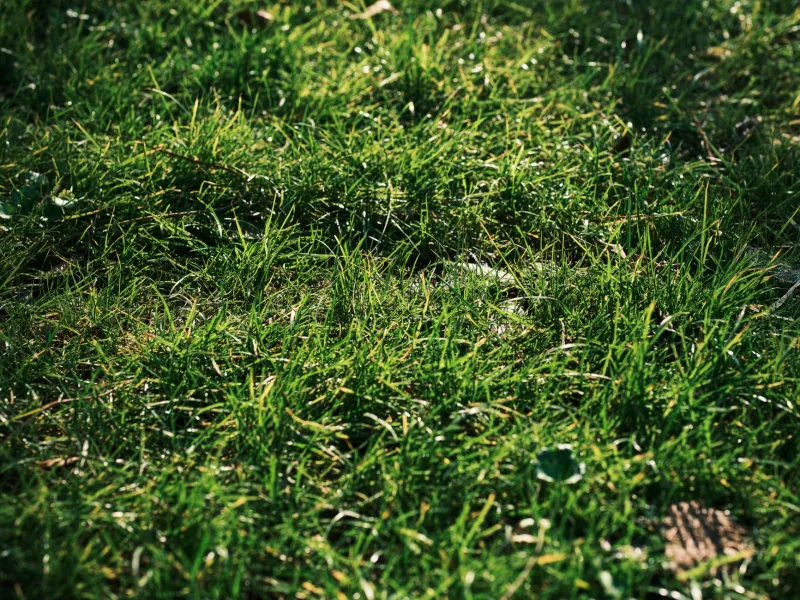
There's a particular kind of pride that comes with a stripes-mowed, golf-course-green lawn. It's practically a civic duty in some neighborhoods — the HOA letters prove it. But that flawless carpet of grass is often the most chemically intensive space you own, and the fallout doesn't stay outside your front door.
The Treatment Schedule Nobody Asked For
The typical suburban lawn care calendar looks like this: pre-emergent herbicides in early spring, 'weed and feed' combos in late spring, insecticides in summer, and a winterizing fertilizer in fall. Each pass can include ingredients like 2,4-D, glyphosate, and dicamba — compounds that were never designed with toddlers or golden retrievers in mind.
And we're not talking about trace amounts. Homeowners in the US apply roughly 80 million pounds of pesticides to lawns and gardens annually, often at rates several times higher per acre than conventional agriculture.
From the Yard to Your Living Room Rug
Here's the part that surprises most people: lawn chemicals don't stay on the lawn.
Studies tracking 2,4-D in American households have found it in indoor dust, on carpets, and on children's hands — sometimes at levels comparable to homes where the chemical was used directly, simply because it rides in on shoes, paws, and wind. Dogs have it rougher than anyone. Research from Purdue and elsewhere has linked herbicide-treated lawns to elevated bladder cancer risk in canines, since dogs walk low, lick their paws, and metabolize these compounds differently than we do.
Add in the growing body of research connecting 2,4-D and glyphosate exposure to endocrine disruption and, in some studies, elevated risks of certain cancers among agricultural workers, and the 'perfect lawn' starts looking like a slow-drip experiment on your family.
Why We Keep Doing It
Because it's easy, and because it's normal. The lawn care industry spends hundreds of millions of dollars a year convincing us that dandelions are a moral failing. A weed is really just a plant growing where you didn't plan for it — clover, for what it's worth, was once standard in American grass seed mixes and actually fixes nitrogen in your soil for free.
The Transition Plan: A Lawn Your Neighbors Won't Complain About
Going organic doesn't mean surrendering to a jungle. It means playing the long game:
- Test your soil first. A $20 soil test tells you what your lawn actually needs instead of what a bag says it needs. Most over-fertilizing is guesswork.
- Mow tall. Three to four inches shades out weed seedlings and grows deeper, drought-proof roots. Scalping your lawn is an open invitation for crabgrass.
- Overseed with clover or a fescue blend. Clover stays green in summer heat, needs no fertilizer, and pollinators love it.
- Feed the soil, not the grass. Compost topdressing and corn gluten meal (a natural pre-emergent) build long-term health that chemicals can't fake.
- Spot-treat, don't broadcast. Pull dandelions by hand after rain — the roots slide right out — and skip the blanket spraying entirely.
The first season might look slightly less uniform. The second season, your lawn will likely be thicker and more drought-resistant than your neighbor's, because deep-rooted organic grass survives the August heat that fries chemically dependent turf.
The Bigger Picture
A monoculture lawn drenched in herbicides is a dead ecosystem — no pollinators, no soil life, no worms. A living lawn is part of a functioning yard: habitat for bees and fireflies, safer for bare feet, and dramatically better for the watershed your storm drains feed into.
The most radical thing you can do this spring might be the smallest: put down the spreader, let the clover move in, and redefine what 'well-kept' actually means.