That 'Fresh Linen' Smell Is a Chemistry Experiment — And You're the Subject
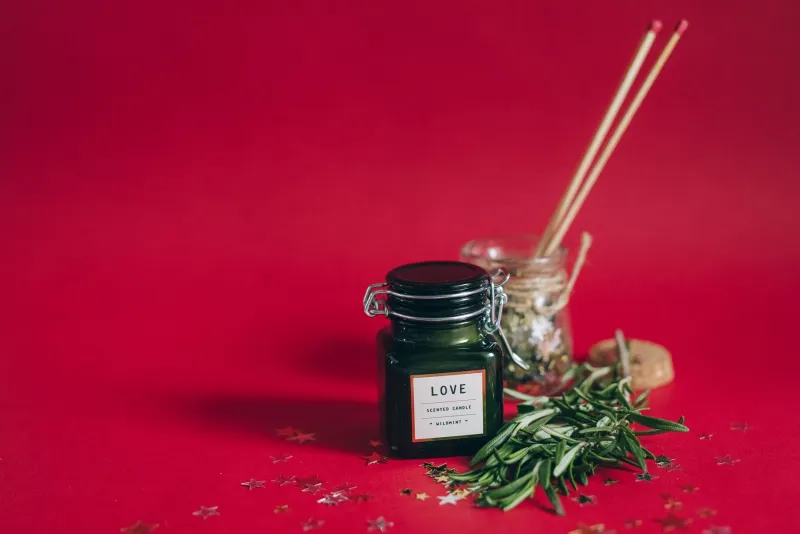
Walk down the cleaning aisle of any grocery store and you're essentially navigating a chemical trade show with better packaging. Lavender calm. Ocean breeze. Warm vanilla comfort. The names are designed to trigger associations with nature, relaxation, cleanliness — things we all genuinely want in our homes. What they're not designed to do is tell you what's actually in the bottle.
The fragrance industry has pulled off one of the more impressive marketing pivots of the last two decades: taking synthetic chemical compounds and selling them as wellness products. And it's working. Americans spend billions annually on air fresheners, scented candles, reed diffusers, fabric sprays, and plug-in devices — most of which have never been required to fully disclose their ingredients.
The 'Fragrance' Loophole That Protects Nobody But the Manufacturer
Here's the legal mechanism that makes all of this possible. Under US law, the specific chemical components of a fragrance blend can be listed on a label simply as "fragrance" or "parfum" — a single word that can represent dozens or even hundreds of individual compounds. This exemption exists because fragrance formulas are considered proprietary trade secrets, protected under the Fair Packaging and Labeling Act.
The result is that a product can legally contain known hormone disruptors, respiratory irritants, and neurotoxicants without disclosing any of them to the consumer. The FDA does not approve fragrance ingredients before they go to market. The industry's primary self-regulatory body, the Research Institute for Fragrance Materials (RIFM), reviews ingredient safety — but it's funded by the fragrance industry itself, and its findings are not publicly available in full.
A 2018 study led by Anne Steinemann at the University of Melbourne analyzed top-selling scented products and found that they collectively emitted over 156 different volatile organic compounds (VOCs). Of those, 42 were classified as toxic or hazardous under US federal law — and none were listed on the product labels.
The Specific Chemicals Worth Knowing About
Not all fragrance chemicals are equally concerning, but a few categories deserve particular attention given the weight of evidence against them.
Phthalates are used as fixatives in fragrance blends — they help scents last longer and adhere to surfaces. They're also well-documented endocrine disruptors. The CDC has detected phthalate metabolites in the urine of nearly every American tested in its biomonitoring studies. Exposure has been linked to disrupted testosterone production in men, altered reproductive development in male fetuses, and early puberty in girls.
Synthetic musks — compounds like galaxolide and tonalide — are used extensively in air fresheners, fabric softeners, and personal care products for their warm, lingering base notes. They accumulate in fatty tissue, have been detected in human breast milk, and show estrogenic activity in laboratory studies. They're also environmentally persistent, meaning they don't break down easily in waterways.
Formaldehyde and formaldehyde-releasing preservatives appear in some scented products as a function of chemical reactions between certain fragrance ingredients and air. Formaldehyde is a known human carcinogen. Its presence in home fragrance products isn't always intentional — it can form as a byproduct — but it's there.
Benzene derivatives, including toluene and xylene, are common in synthetic fragrance blends and are associated with neurological effects and, at higher exposures, increased cancer risk.
'Natural' and 'Aromatherapy' Don't Mean What You Think
This is where the wellness rebranding gets particularly slippery. Products marketed as "natural," "botanical," or "aromatherapy" are not required to meet any regulatory definition of those terms. A candle can be called a "natural aromatherapy candle" while containing synthetic fragrance compounds, paraffin wax (a petroleum derivative), and a zinc-core wick — all perfectly legal, none of it disclosed in a way that's meaningful to the average shopper.
Even products containing genuine essential oils aren't automatically safe. Some essential oils — citrus-derived ones in particular — react with ozone in indoor air to produce secondary pollutants including formaldehyde and ultrafine particles. Essential oils are biologically active compounds, and some individuals, particularly those with asthma or chemical sensitivities, react to them acutely.
The "clean" fragrance movement that's emerged in recent years is a genuine step forward from some brands, but "clean fragrance" has no legal definition either. It's a marketing category, not a regulatory one.
The Ventilation Illusion
One of the more counterintuitive findings in indoor air quality research is that air fresheners don't actually improve air quality — they add to the chemical load already present. When you spray a synthetic fragrance product to mask an odor, you're layering new VOCs on top of whatever was already in the air. Plug-in devices do this continuously, maintaining a constant chemical presence in your home's air supply.
The EPA has consistently identified indoor air as two to five times more polluted than outdoor air in most American homes. Scented products are a meaningful contributor to that statistic, particularly in well-insulated modern homes where air exchange rates are low.
What Genuine Freshness Actually Looks Like
The good news is that you don't have to choose between a chemical-laden home and one that smells like nothing. You just have to approach it differently.
Ventilate first. Opening windows and creating cross-ventilation is the most effective air-quality intervention available to you, and it costs nothing. Even 10 minutes of airflow dramatically reduces the concentration of indoor pollutants.
Address the source. Most home odors have a cause — moisture, food, pets, fabrics. Eliminating the source is always more effective than masking it with fragrance.
Try beeswax or soy candles with essential oil scenting. These aren't perfect — the essential oil caveats above apply — but they're a significantly lower-risk option than paraffin candles with synthetic fragrance. Look for brands that publish their ingredient lists in full.
Simmer your own scents. A small pot of water with citrus peel, cinnamon sticks, and cloves on the stove creates genuine, non-toxic ambient fragrance. It's old-fashioned in the best possible way.
Use activated charcoal or baking soda for odor absorption. Neither smells like anything, which is precisely the point. They work by adsorbing odor compounds rather than masking them.
Look for fragrance-free cleaning products. The Environmental Working Group's (EWG) Guide to Healthy Cleaning rates common cleaning products for ingredient transparency and toxicity. It's a useful starting point for overhauling your product lineup.
The wellness industry has done a masterful job of convincing us that our homes need to smell like a spa to be healthy. They don't. What they need is clean air — which is almost the opposite of what most scented products deliver.