Your Pothos Isn't Saving You: The Houseplant Air Purifier Myth, Debunked
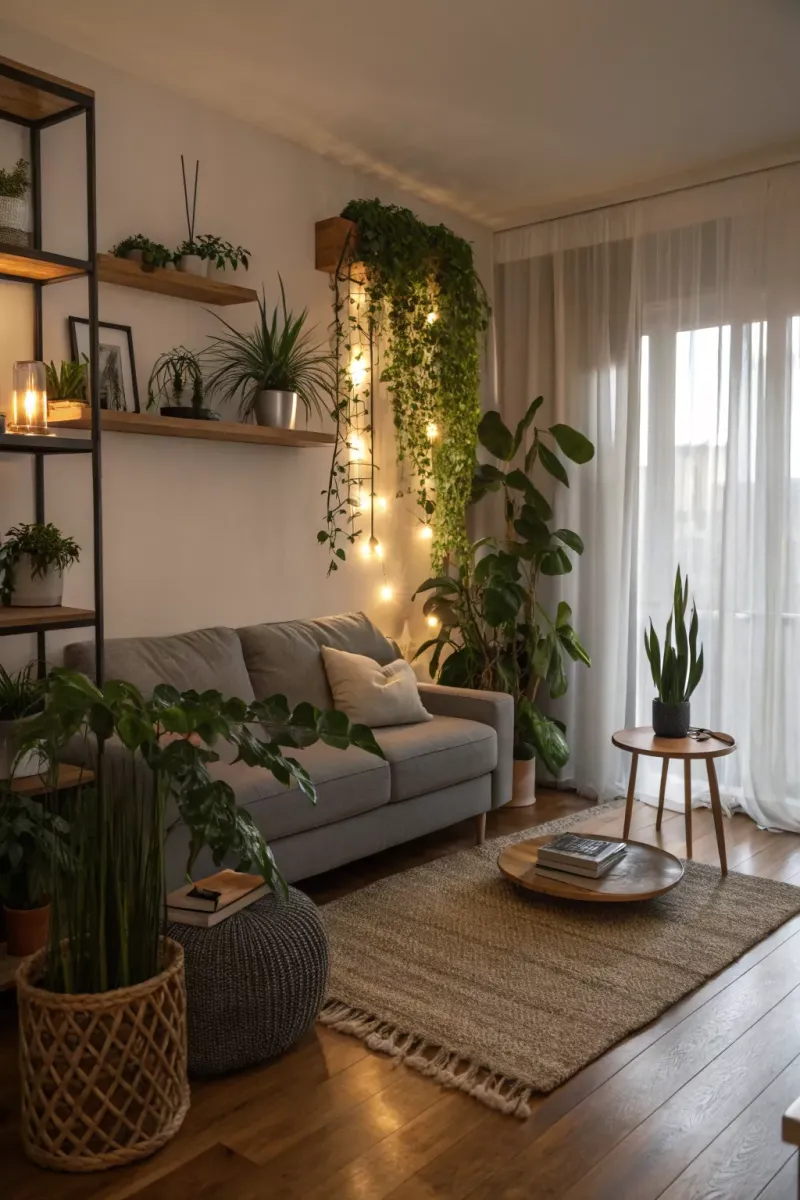
Photo: indoor houseplants living room natural light apartment, via i.pinimg.com
Let's be honest: there's something deeply appealing about the idea that a leafy pothos hanging in your living room corner is quietly scrubbing the air clean while you binge your favorite show. It feels right. It feels natural. It fits the whole "live clean, think green" ethos so perfectly that nobody really wants to poke at it.
But here at Pura Earth, poking at things is kind of our whole deal.
So let's talk about houseplants, air quality, and the surprisingly shaky science behind one of wellness culture's most beloved claims.
Where the Myth Was Born
The houseplant-as-air-purifier narrative has one very famous origin point: a 1989 NASA study. Researchers placed common indoor plants inside sealed chambers and measured their ability to reduce concentrations of volatile organic compounds (VOCs) — things like benzene, formaldehyde, and trichloroethylene. The plants did reduce those compounds. The headlines wrote themselves.
What those headlines skipped over was the part about the sealed chambers. Your apartment is not a sealed chamber. It's a dynamic, leaky environment with air constantly moving through gaps around windows, doors, HVAC systems, and the general imperfection of American home construction. The controlled conditions of that NASA experiment have almost nothing in common with your actual living room.
A 2019 analysis published in the Journal of Exposure Science & Environmental Epidemiology crunched the numbers from decades of plant-based air quality research and landed on a sobering conclusion: to meaningfully reduce VOC concentrations in a typical home, you'd need somewhere between 10 and 1,000 plants per square meter of floor space. That's not a wellness strategy. That's a jungle.
The Biophilic Design Upsell
None of this stopped the biophilic design movement from running with the air-purifying angle. If you've spent any time on home décor platforms or wellness Instagram in the last five years, you've seen the aesthetic: sun-drenched apartments draped in trailing vines, shelves crowded with monsteras and snake plants, the implicit promise that surrounding yourself with greenery is an act of environmental self-care.
And look — there's genuine value in biophilic design. Research does support the idea that spending time around plants reduces stress, lowers blood pressure, and improves mood. Those are real benefits worth having. But somewhere along the way, the psychological and emotional case for houseplants got quietly fused with an air quality claim the science doesn't really support. The plant industry, the wellness content machine, and the interior design world all had reasons to let that fusion happen unchallenged.
The result is a lot of people spending real money on plants, feeling virtuous about it, and not actually addressing the indoor air problems that are genuinely affecting their health.
What's Actually in Your Indoor Air
Here's the thing about indoor air quality that makes the houseplant shortcut so tempting: the problem is real, and it's serious. The EPA has consistently found that indoor air can be two to five times more polluted than outdoor air — sometimes significantly worse. In a country where most people spend roughly 90 percent of their time indoors, that matters enormously.
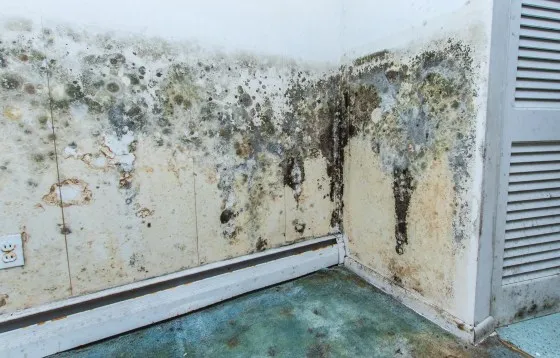
The sources are everywhere. Off-gassing from furniture, flooring, and cabinetry. Cleaning products. Candles and air fresheners. Cooking fumes. Mold. Dust mites and their debris. Pet dander. Combustion byproducts from gas stoves. The list is long and genuinely depressing, which is probably why the "just add plants" solution feels so appealing by comparison.
But a snake plant in the corner isn't going to touch any of that in any meaningful way.
What Actually Works
So if your monstera isn't doing the heavy lifting, what is? The good news is that the most effective strategies are less photogenic but significantly more impactful.
Ventilation is your first line of defense. Opening windows when outdoor air quality permits, running exhaust fans in the kitchen and bathroom, and making sure your HVAC system is actually circulating and filtering air are foundational moves that no plant can replicate. The goal is air exchange — getting stale, pollutant-laden indoor air out and bringing fresh air in.
Source reduction beats everything. The most powerful thing you can do for your indoor air quality is reduce what's contaminating it in the first place. Swap conventional cleaning products for genuinely non-toxic alternatives. Choose low-VOC or zero-VOC paints and finishes when you're renovating. Opt for solid wood furniture over pressed-wood products that off-gas formaldehyde. Let new furniture, rugs, and mattresses air out outside or in a well-ventilated space before bringing them fully into your living area. These aren't glamorous interventions, but they directly attack the problem at its source.
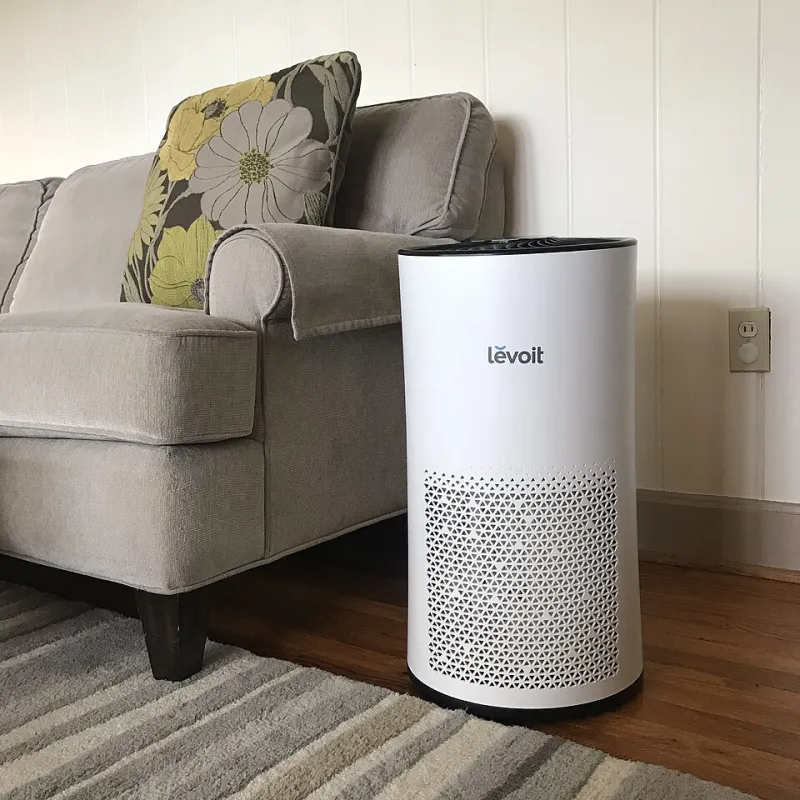
A quality air purifier with a true HEPA filter — paired with an activated carbon filter for VOCs — will do more for your air in an hour than a shelf full of peace lilies will do in a year. Yes, we've written about the limitations of air purifiers before, and the market is absolutely full of overhyped products. But a well-chosen unit in a real-world home still outperforms botanical solutions by orders of magnitude.
Monitor what you can't see. Affordable indoor air quality monitors have come a long way. Devices that track particulate matter (PM2.5), CO2 levels, and VOC concentrations give you actual data about what's happening in your home — which is infinitely more useful than guessing. You might discover that your air quality tanks every time you cook on your gas stove, or that a particular room has a persistent mold issue. That information lets you respond to real problems rather than imagined ones.
Keep the Plants Anyway
Here's where we land: none of this means you should tear out your hanging pothos or feel foolish about your collection of succulents. Houseplants are genuinely good for you — just not for the reason the wellness industry usually sells them.
The stress reduction benefits are legitimate. The simple act of caring for a living thing has documented positive effects on mental health. And aesthetically, plants make spaces feel warmer and more human in ways that matter for how you feel at home. Those are worthwhile reasons to keep them around.
Just don't let the plant myth lull you into thinking your air quality is taken care of. Your home's air deserves more than wishful thinking and good Instagram lighting. Address the actual sources of pollution, ventilate aggressively, filter what you can, and monitor what you can't see.
Then, by all means, put a monstera in the corner. Just know it's there because it's beautiful — not because it's working.