What's Growing in Your Walls Could Be Quietly Dismantling Your Health
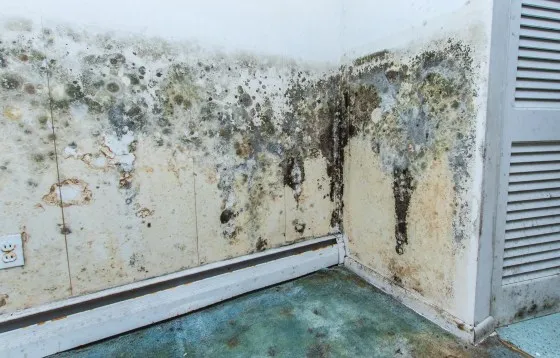
Photo: mold growing inside wall home air quality health, via media-cldnry.s-nbcnews.com
You've probably Googled your symptoms at some point. Fatigue that doesn't respond to sleep. Brain fog that rolls in like weather. Sinus congestion that antibiotics never quite fix. Anxiety that seems to come from nowhere. The internet sends you in twelve different directions — adrenal fatigue, thyroid issues, SIBO, burnout. But there's one culprit that rarely makes the shortlist, even though it's living rent-free in an estimated 50% of American homes: mold.
Not the fuzzy green patch on last week's bread. Not even the black ring around your shower grout. We're talking about the mold you can't see — the colonies quietly thriving inside wall cavities, underneath bathroom subfloors, in the insulation lining your attic, and cycling through your air system every time the heat kicks on.
The Difference Between Mold and Mycotoxins (And Why It Matters)
Here's where most conversations about mold go sideways: people conflate the mold itself with what mold produces. Certain mold species — Stachybotrys chartarum (what most people call "black mold"), Aspergillus, Penicillium, and Chaetomium, among others — release chemical byproducts called mycotoxins as part of their natural biology. These are microscopic, volatile compounds that become airborne and can be inhaled, ingested through contaminated dust, or even absorbed through skin contact.
Mycotoxins are not alive. That's what makes them so insidious. You can kill the mold, but if the mycotoxins have already saturated your drywall, your furniture, your HVAC filter, or your clothing, the damage continues. Standard mold-killing sprays — bleach, commercial biocides — address the visible colony. They do nothing about the toxin load already embedded in porous materials.
For people with a genetic variant called HLA-DR (roughly 25% of the US population), the immune system literally cannot tag and clear mycotoxins efficiently. They accumulate. The immune system stays in a state of chronic activation trying to fight something it can't identify, and that sustained inflammatory response starts to look a lot like autoimmune disease, chronic fatigue syndrome, or even early neurological decline.
What Mycotoxins Actually Do Inside Your Body
The research here is more robust than the mainstream medical conversation would suggest. Studies published in journals like Toxicology Letters and Environmental Health Perspectives have documented the downstream effects of chronic low-level mycotoxin exposure, and it's not a pretty list.
Immune dysregulation is typically the first domino. Mycotoxins, particularly trichothecenes and ochratoxin A, suppress the production of certain immune cells while triggering inflammatory cytokines. The result is an immune system that's simultaneously overactive and poorly targeted — attacking the wrong things while failing to mount effective defenses against actual pathogens.
Thyroid disruption is less discussed but well-documented. Ochratoxin A has been shown to interfere with thyroid hormone synthesis and transport. Many people experiencing mold exposure present with subclinical hypothyroid symptoms — weight gain, cold intolerance, sluggish metabolism — that don't show up as clearly abnormal on standard TSH tests.
Neurological and cognitive effects are perhaps the most alarming. The blood-brain barrier is not impervious to mycotoxins. Research has linked chronic exposure to disruptions in dopamine and serotonin pathways, neuroinflammation, and measurable changes in white matter — the connective tissue of the brain. Clinically, this shows up as memory problems, word retrieval issues, mood instability, and what patients often describe as "living in a fog."
Gut microbiome damage rounds out the picture. Mycotoxins have antimicrobial properties — that's actually part of their ecological function. Inhaled or ingested, they can selectively wipe out beneficial gut bacteria, contributing to dysbiosis, leaky gut, and the cascade of systemic issues that follow.
Where Hidden Mold Actually Lives
The bathroom is the obvious suspect, but it's rarely the main event. Mold needs three things: moisture, organic material to feed on, and warmth. Your home is full of all three in places you never think to look.
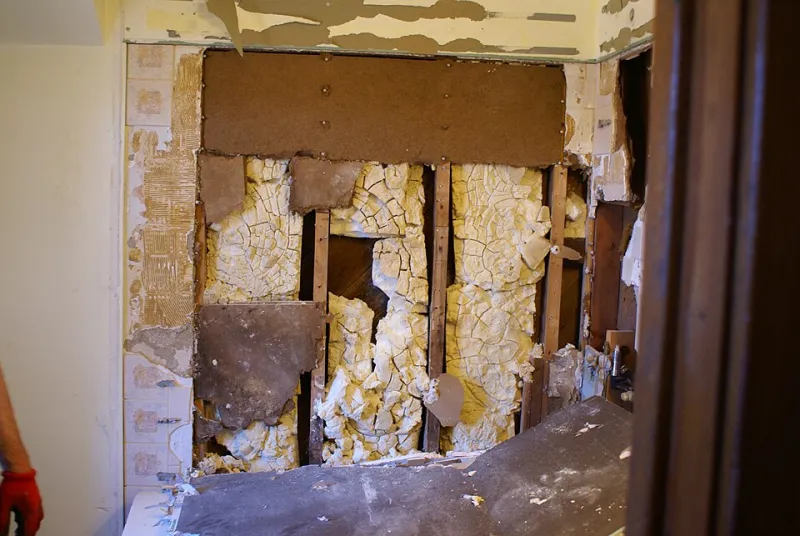
Behind walls near plumbing is one of the most common sites. A slow drip under a kitchen sink, a slightly leaking supply line behind a toilet — these create sustained moisture in dark, enclosed spaces lined with drywall, which mold digests like a buffet.
HVAC systems are mold superhighways. Condensation forms naturally in ductwork and air handlers. If there's any organic debris — dust, dead skin cells, pollen — the system becomes a growth medium. Then it distributes spores and mycotoxins to every room in your house, every time it runs.
Crawl spaces are chronically neglected. In much of the South and Pacific Northwest, crawl spaces without proper vapor barriers or ventilation become extremely humid environments. Mold can cover floor joists, insulation, and subfloor material extensively without a single indoor symptom prompting anyone to look.
Attics with inadequate ventilation trap moisture from bathroom exhaust fans vented incorrectly into the attic space rather than outside. This is a building code violation that's extraordinarily common in older American homes.
After flooding or water events — even minor ones — mold can establish itself within 24 to 48 hours in wet drywall. Many homeowners dry out visible surfaces and consider the problem solved, not realizing the interior of the wall cavity is still saturated.
Detection Without Guesswork
The standard advice is to hire a mold inspector, which is valid — but not all inspectors are equal, and visual inspection alone misses most hidden mold. Here's a more thorough approach:
ERMI testing (Environmental Relative Moldiness Index) is a DNA-based dust analysis developed by the EPA. You collect a dust sample from your home and send it to a certified lab. The results identify which mold species are present and at what relative levels, giving you far more actionable data than a visual inspection.
Air sampling with spore trap analysis can identify airborne spore counts in different rooms, helping you pinpoint which areas of the home are most problematic.
Your own nose is underrated. A persistent musty smell — even faint, even intermittent — is a reliable indicator of active mold growth somewhere in the vicinity. Don't dismiss it.
Symptom tracking matters too. If you feel noticeably better after spending several days away from home (traveling, visiting family), and worse when you return, that pattern is clinically meaningful and worth investigating.
Remediation That Actually Works
If you find significant mold, particularly in wall cavities or HVAC systems, professional remediation by a certified contractor (look for IICRC certification) is not optional — it's necessary. Disturbing large mold colonies without containment protocols releases massive amounts of spores and mycotoxins into your air.
For smaller, surface-level issues on non-porous materials, a hydrogen peroxide solution (3%) or a botanical antimicrobial like tea tree oil diluted in water can be effective without adding harsh chemical residues to your indoor environment. Avoid bleach on porous surfaces — it kills surface mold but doesn't penetrate, and the water content can actually encourage regrowth in the material beneath.
Address the moisture source first. No remediation holds without fixing whatever created the moisture problem. New mold will establish itself within weeks if the underlying condition persists.
Replace, don't clean, porous materials that have been heavily colonized — drywall, insulation, carpet, ceiling tiles. These cannot be adequately decontaminated.
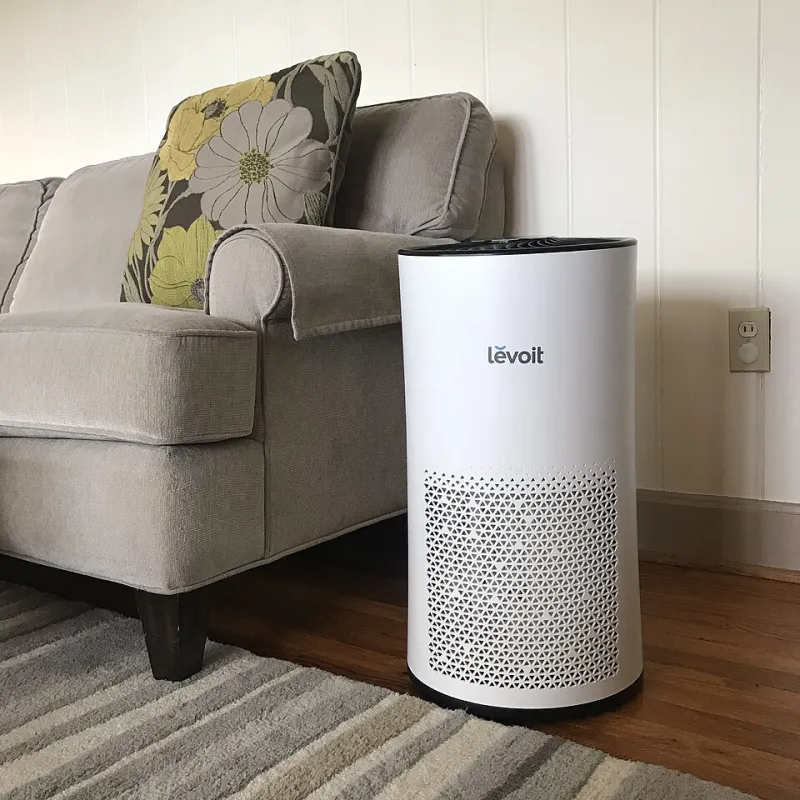
Air filtration helps but isn't a fix. A quality air purifier with a true HEPA filter and activated carbon can reduce airborne spore and mycotoxin levels in your living space. It's a useful support tool during and after remediation, not a substitute for it.
For your HVAC system, have ductwork professionally cleaned and replace the air handler if there's visible mold growth inside it. At minimum, switch to high-quality MERV 11 or 13 filters and change them on schedule — every 60 to 90 days in most homes.
The Bigger Picture
We spend enormous energy optimizing what we eat, what we put on our skin, and what products we bring into our homes. Those things matter. But the air inside your home — the thing you're interacting with 24 hours a day, 365 days a year — may be doing more damage than anything else in your environment if hidden mold is part of the equation.
The symptoms are real. The biology is real. And the frustrating truth is that millions of Americans are cycling through doctors, supplements, and diagnoses while the actual source of their suffering is quietly growing inside their walls.
Start by asking the question. Get your air tested. Trust your instincts when something in your home smells off. Your immune system has been trying to tell you something — it might be time to listen.