That Leftover Chicken Just Got a Lot More Complicated: The Plastic-Microwave Problem Nobody Talks About
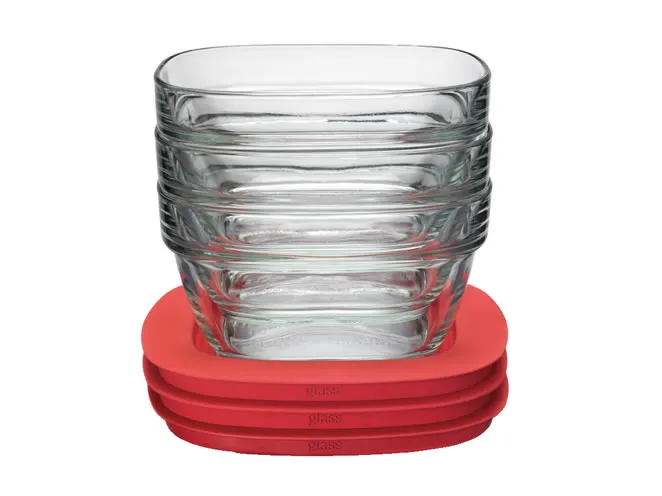
Photo: Rubbermaid Products, CC BY 2.0, via Wikimedia Commons
Let's be honest. The microwave is one of the great unsung heroes of the American kitchen. It reheats Monday's meal prep on Wednesday, softens butter in thirty seconds, and makes the whole concept of lunch at your work desk actually viable. Nobody is here to take your microwave away.
But there's a conversation we need to have about what's sharing that microwave with your food — specifically, the plastic containers, cling wraps, and to-go boxes that most of us toss in without a second thought. Because when plastic meets heat, something happens that doesn't show up on any nutrition label.
What Heat Actually Does to Plastic
Plastic isn't a single material. It's a broad category of synthetic polymers, most of which are stabilized with a cocktail of chemical additives — plasticizers, stabilizers, UV blockers, and colorants — that keep them flexible, durable, and shelf-stable. The problem is that these additives aren't chemically bonded to the plastic itself. They're more like passengers than permanent residents.
When you apply heat, those passengers start moving. The molecular structure of most plastics loosens under thermal stress, and the chemicals nestled within begin to migrate — right into whatever food or liquid is sitting against that container wall.
The two biggest offenders you've probably heard of are BPA (bisphenol A) and phthalates. BPA is used to harden polycarbonate plastics and line food cans. Phthalates are plasticizers — they're what make flexible plastics, well, flexible. Both are classified as endocrine disruptors, meaning they mimic or interfere with the body's hormonal signaling system in ways that researchers are still working to fully understand.
And the microwave? It's basically a chemical migration accelerator.
The "Microwave-Safe" Label Is Doing a Lot of Heavy Lifting
Here's where things get a little frustrating. If you flip over most plastic containers, you'll find a "microwave-safe" label or symbol — and it sounds reassuring. But that designation doesn't mean what most people assume it means.
"Microwave-safe" is an FDA term that only indicates the container won't warp, melt, or catch fire in the microwave. It says absolutely nothing about whether chemicals from that container migrate into your food during heating. That's a different question entirely, and it's one that label isn't answering.
A study published in Environmental Health Perspectives found that nearly all commercially available plastic food packaging — including products marketed as BPA-free — released synthetic estrogen-like chemicals when exposed to microwave radiation. BPA-free plastics often substitute bisphenol S (BPS) or bisphenol F (BPF), which emerging research suggests may carry similar hormonal disruption risks. It's a shell game of chemical substitution that doesn't actually solve the underlying problem.
Why This Matters More Than a One-Time Exposure
One reheated lunch isn't going to derail your health. The issue is cumulative exposure — the slow, daily drip of low-level chemical contact that adds up across years and decades. Toxicologists sometimes call this the "body burden," the total load of environmental chemicals stored in your tissues at any given time.
Endocrine disruptors are particularly tricky because they operate at extremely low doses and can have outsized effects on sensitive biological processes — particularly hormone regulation, reproductive health, thyroid function, and metabolic signaling. Research has linked chronic BPA exposure to increased risk of certain cancers, cardiovascular issues, insulin resistance, and developmental concerns in children.
Kids and pregnant people carry the highest risk. Children's developing endocrine systems are especially vulnerable to hormonal interference, and prenatal exposure to phthalates has been associated with developmental and behavioral outcomes in multiple peer-reviewed studies.
This isn't fringe science. The Endocrine Society — a mainstream medical organization — has issued formal scientific statements calling for stronger regulatory action on endocrine-disrupting chemicals in food packaging.
The Containers Most Likely to Be a Problem
Not all plastics behave the same way under heat. Here's a quick cheat sheet of the ones worth being most cautious about:
- Polycarbonate (#7 plastics): Historically the biggest BPA source. Avoid microwaving anything in these.
- PVC (#3 plastics): Contains phthalates. Common in cling wraps and some deli containers.
- Polystyrene (#6 plastics): Those white foam to-go containers from your favorite Thai spot. Styrene is a possible carcinogen that leaches readily under heat.
- "BPA-free" plastics: Still potentially problematic due to chemical substitutes. Don't let that label give you a false sense of security.
The plastics generally considered lower risk for microwave use are polypropylene (#5) and high-density polyethylene (#2) — though even these aren't fully vetted for heat safety at all temperatures.
Simple Swaps That Don't Complicate Your Life
Here's the good news: the fix is genuinely not that hard. You don't need to overhaul your kitchen or spend a fortune. You just need to swap the vessel.
Glass containers are the gold standard. Borosilicate glass — the kind used in quality food storage sets — is inert, meaning it doesn't react with food or leach anything under heat. Brands like Pyrex have been a kitchen staple for generations for exactly this reason. A basic set of glass containers with locking lids costs about the same as a decent set of plastic ones and lasts far longer.
Ceramic dishes work beautifully in the microwave and are completely non-reactive. If you're reheating at home, there's almost no reason not to just transfer food to a ceramic plate or bowl before it goes in. Takes fifteen extra seconds.
Stainless steel is excellent for food storage but can't go in the microwave — keep that in mind. It's a great option for packing lunches or storing leftovers in the fridge, just not for the actual reheating step.
Beeswax wraps and silicone covers are solid alternatives to plastic cling wrap for covering dishes during reheating. Look for food-grade silicone specifically — it handles microwave heat without off-gassing.
If you're ordering takeout regularly, make it a habit to always transfer food to a plate or glass container before microwaving. Those styrofoam and black plastic to-go containers are some of the worst offenders when it comes to heat-induced leaching.
A Broader Pattern Worth Recognizing
The microwave-plastic issue fits into a larger story about how convenience culture has quietly normalized a lot of low-grade chemical exposure. Plastic food packaging, non-stick cookware coatings, synthetic food dyes, pesticide residues — none of these are dramatic, immediate threats. They're ambient. They accumulate. And they tend to affect the most vulnerable people first.
At Pura Earth, we're not about fear-mongering or telling you that everything in your kitchen is trying to kill you. But we do think you deserve accurate information about what's actually happening in your home, so you can make genuinely informed choices.
Swapping plastic containers for glass or ceramic is one of the simplest, most affordable, most impactful things you can do for your long-term health. Your future self — and your hormones — will probably appreciate it.
Start with your most-used containers. Replace them as they wear out. And maybe retire the styrofoam takeout box to the garbage can rather than the microwave.
Small habit. Real difference.