Your Bedroom Is Working Against You: The Invisible Forces Stealing Your Sleep Every Night
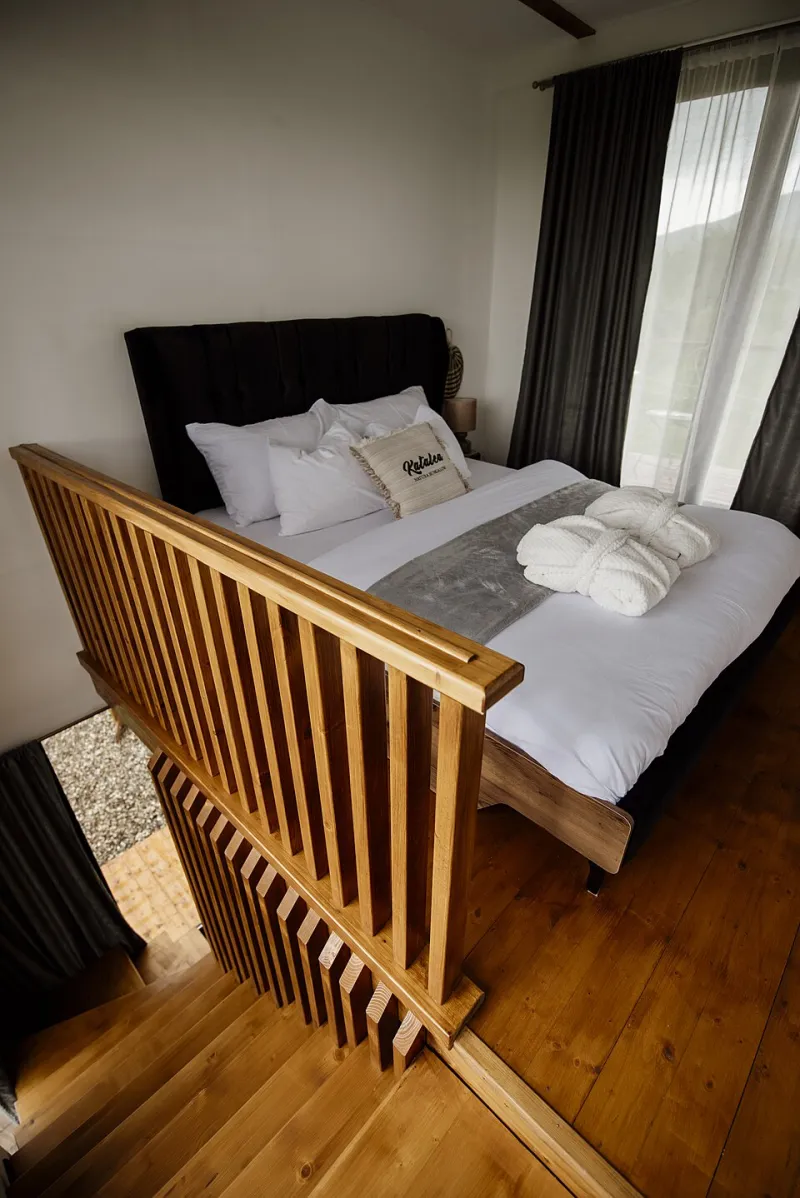
Photo: Shixart1985, CC BY 2.0, via Wikimedia Commons
America has a sleep crisis. According to the CDC, more than a third of US adults aren't getting enough sleep on a regular basis, and yet we keep blaming stress, caffeine, or busy schedules. Those things matter, sure — but what if the room you're retreating to every night is actively making the problem worse?
The modern bedroom is a cocktail of artificial light, electromagnetic radiation, and petroleum-derived fabrics. None of it is dramatic enough to feel alarming in the moment. But cumulatively, night after night, these exposures interfere with the biological systems your body depends on to genuinely recover. Understanding what's going on — and making some intentional changes — can be the difference between dragging yourself through the day and waking up actually restored.
The Blue Light Problem Is Worse Than You Think
You've probably heard that scrolling your phone before bed is bad for sleep. But the explanation usually stops at "blue light is stimulating," which dramatically undersells what's actually happening inside your body.
Blue light — the short-wavelength light emitted by LED screens, energy-efficient bulbs, and most modern lighting — suppresses melatonin production with startling efficiency. Melatonin isn't just the hormone that makes you feel sleepy. It's a powerful antioxidant, an immune regulator, and a key player in cellular repair processes that only happen during deep sleep cycles. When blue light hits your retina in the evening hours, it signals your brain's suprachiasmatic nucleus that it's still daytime, pushing back your entire circadian rhythm.
Research published in the Journal of Clinical Endocrinology & Metabolism found that exposure to room light before bedtime suppressed melatonin by about 71% and shortened melatonin duration by 90 minutes. That's not a minor inconvenience — that's a significant disruption to your body's nightly reset.
And it's not just your phone. The LED overhead light in your bedroom, the blue-tinted glow of a TV on standby, even the display on your alarm clock — all of it adds up after dark.
What you can do: Switch your bedroom bulbs to warm-spectrum LEDs (2700K or lower) or go old-school with incandescent bulbs in your bedside lamps. Use blue-light-blocking glasses for the hour before bed. Put your phone on a true night mode — or better yet, charge it in another room entirely. Blackout curtains aren't just for light sleepers; they also block the ambient glow from streetlights and neighboring buildings that quietly chip away at melatonin production through the night.
EMF Exposure: The Conversation We Keep Avoiding
Electromagnetic fields are everywhere in a modern home — WiFi routers, smart meters, cell phones, baby monitors, and the wiring inside your walls all emit them. The science on EMF and human health is genuinely contested, and we're not here to claim that your router is definitely giving you cancer. But the more specific question of whether EMF exposure affects sleep quality? That evidence is building.
Several studies have found associations between radiofrequency electromagnetic fields and disrupted sleep architecture — specifically reductions in REM sleep and slow-wave sleep, the deep restorative stages where your brain consolidates memory and your body repairs tissue. A 2007 study funded by the mobile phone industry (notably) still found that exposure to cell phone radiation before sleep led to increased brain activity and reduced time in deep sleep stages.
Your bedroom is likely the most EMF-saturated room in your home, because it's where your phone charges six inches from your head, where your WiFi signal passes through on the way to every other device, and where smart devices like thermostats and speakers sit on your nightstand broadcasting continuously.
What you can do: Move your phone charger across the room — or out of the room entirely. Turn your WiFi router off at night (a simple outlet timer makes this effortless). Keep smart speakers and other connected devices out of the bedroom. If you're serious about it, look into EMF-shielding paint for bedroom walls, or at minimum, position your bed away from walls that share space with your electrical panel or smart meter.
The Fabric You Sleep In Matters More Than You're Being Told
Most Americans sleep on polyester, or a polyester blend. It's cheap, it's durable, and it's absolutely everywhere — sheets, pillowcases, mattress covers, pajamas. What most people don't know is that synthetic bedding materials are derived from petrochemicals and often treated with a range of finishing agents including formaldehyde-based wrinkle resisters, flame retardants, and antimicrobial coatings.
Your body temperature rises and falls across your sleep cycle, and as you warm up, you absorb more of whatever is sitting against your skin. Synthetic fabrics also trap heat and moisture in ways that disrupt your body's natural thermoregulation — and temperature regulation is deeply tied to sleep quality. Your core body temperature needs to drop about one to two degrees Fahrenheit to initiate and maintain deep sleep. Fabrics that trap heat work directly against that process.
Beyond temperature, there's the question of off-gassing. Volatile organic compounds released from synthetic textiles have been detected in bedroom air, adding to the indoor air quality burden that many of us are already carrying from carpets, furniture, and paint.
What you can do: Transition to organic cotton, linen, or wool bedding. GOTS-certified (Global Organic Textile Standard) products are your safest bet — that certification covers the entire production chain, from the field to the finished product. Wool is particularly worth considering for its natural temperature-regulating properties; it wicks moisture and responds dynamically to your body heat in ways no synthetic can replicate. Yes, natural fiber bedding costs more upfront. But you spend a third of your life in your bed — it's one of the highest-impact investments you can make for your health.
Building a Sleep Sanctuary, Not Just a Bedroom
The good news in all of this is that none of it requires a complete home renovation. It requires intention. The bedroom is actually one of the easiest rooms to clean up, because you control it completely and you're mostly not doing anything in there except sleeping.
Start with the light. Then address what's plugged in and broadcasting near your head. Then work on what's touching your skin for eight hours a night. These aren't radical lifestyle changes — they're small, stackable shifts that compound over time into dramatically better sleep and, by extension, better everything else.
Your body knows how to sleep. It's been doing it for hundreds of thousands of years. What it doesn't know how to do is filter out the very modern soup of artificial light frequencies, wireless radiation, and synthetic chemical exposures that we've built around it. Give it a cleaner environment to work with, and it will do the rest.
That's the whole philosophy here at Pura Earth: you don't have to fix yourself. Sometimes you just have to stop breaking the systems that are already trying to heal you.