Slathered in Secrets: What's Actually in Your Sunscreen and Why Mineral Protection Is the Smarter Play
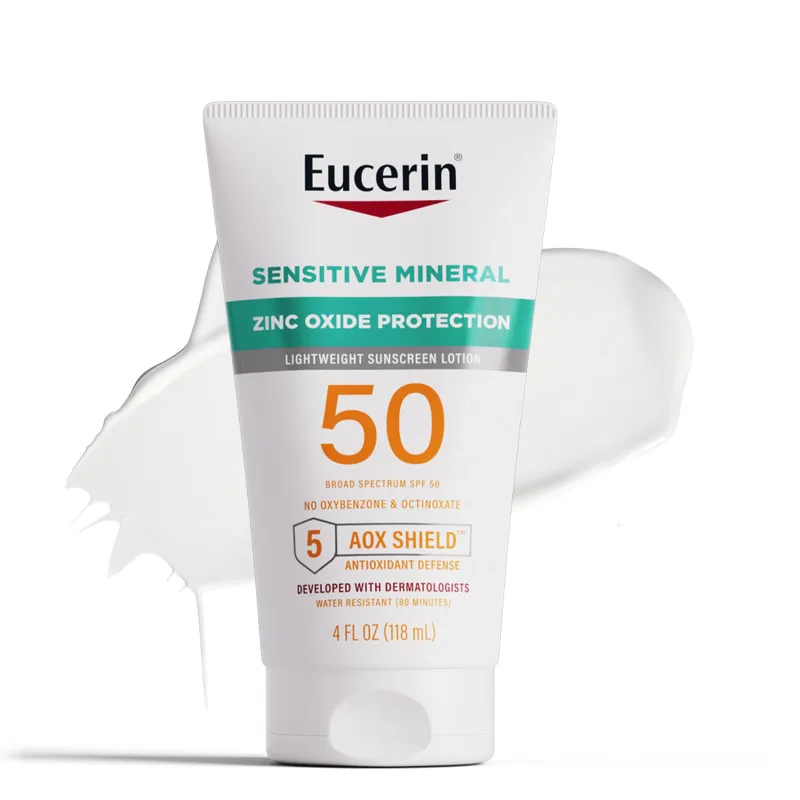
Photo: mineral sunscreen zinc oxide natural beach sun protection, via images-na.ssl-images-amazon.com
Every summer, the same public health message rolls out like clockwork: wear sunscreen, wear it daily, reapply every two hours. And honestly? Protecting your skin from UV damage is genuinely important. Skin cancer is the most common cancer in the United States, and nobody's arguing against sun protection.
But here's the thing nobody's talking about loudly enough — what you're putting on your skin to achieve that protection matters enormously. And right now, millions of Americans are rubbing in a cocktail of synthetic chemicals that the FDA itself has flagged as needing more safety data.
That's not a fringe claim. That's the FDA's own position.
The Ingredient List You've Been Ignoring
Flip over a bottle of any major drugstore sunscreen — the kind that dominates shelves from CVS to Target — and you'll likely find a handful of active ingredients with names that sound like they belong in a chemistry lab: oxybenzone, avobenzone, homosalate, octinoxate, octisalate.
These are organic chemical UV filters, and they work by absorbing UV radiation and converting it to heat. Sounds fine in theory. The problem is that they don't stay on top of your skin. They absorb into it.
A 2019 clinical study published in the Journal of the American Medical Association found that all four of the chemical sunscreen ingredients it tested — oxybenzone, avobenzone, octocrylene, and ecamsule — entered the bloodstream at concentrations that exceeded the FDA's threshold for requiring further toxicology studies. After just one day of use. At levels that kept climbing with repeated application.
Oxybenzone, one of the most widely used UV filters in the US, is particularly concerning. It's been detected in urine, blood, and breast milk. It's classified as an endocrine disruptor, meaning it can interfere with hormone signaling in the body. Studies in animals have shown effects on estrogen levels, thyroid function, and reproductive development. Human data is still catching up, but the early signals aren't reassuring — especially for kids, pregnant women, and anyone with existing hormonal conditions.
And then there's retinyl palmitate, a form of vitamin A that's been added to some sunscreens under the premise that it's an antioxidant. The catch? When exposed to sunlight, it may actually accelerate the growth of cancerous lesions in skin. The National Toxicology Program raised this concern over a decade ago. Many brands still include it.
Why Is This Still on Shelves?
Fair question. The short answer is that sunscreen regulation in the US is a slow-moving bureaucratic mess, and the cosmetic industry has spent considerable energy keeping it that way.
In the US, sunscreens are regulated as over-the-counter drugs by the FDA. But many of the chemical filters currently on the market were grandfathered in under rules from the 1970s and 1980s, before modern toxicology standards existed. The FDA proposed updated safety rules in 2019 and again in 2021, requesting more data from manufacturers on these ingredients. The industry responded with lobbying rather than science, and the rules still haven't been finalized.
Meanwhile, the European Union has approved over two dozen UV filter ingredients — including several mineral-chemical hybrids that are considered safer and more photostable. American consumers have access to a fraction of those options.
Dermatologists, for their part, are largely trained to focus on UV protection as a cancer-prevention tool — which is correct — but the nuances of ingredient safety often get lost in the message. Many practitioners simply aren't up to speed on the absorption research, or they default to whatever major dermatology associations recommend, which tend to lag behind the emerging science.
The Reef Connection
This isn't just a human health story. Oxybenzone and octinoxate have been shown to cause coral bleaching, disrupt coral reproduction, and accumulate in marine ecosystems at alarming concentrations. Hawaii banned both ingredients in 2021. The US Virgin Islands followed. Several other coastal communities around the world have enacted similar restrictions.
When you swim in the ocean wearing a conventional chemical sunscreen, you're leaving a chemical trail behind you. It's a small contribution individually, but at the scale of millions of beachgoers, it adds up fast.
What Actually Works — And Doesn't Compromise
The good news is that you don't have to choose between sun protection and clean ingredients. Mineral sunscreens — those using zinc oxide and/or titanium dioxide as active ingredients — are the real deal.
Both zinc oxide and titanium dioxide work by physically reflecting and scattering UV rays rather than absorbing them. They sit on top of the skin rather than penetrating into it. The FDA has classified both as "generally recognized as safe and effective" (GRASE) — the only two sunscreen actives to receive that designation. Zinc oxide in particular offers broad-spectrum protection across both UVA and UVB wavelengths.
Here's what to look for:
- Non-nano zinc oxide as the primary active ingredient (non-nano particles are too large to penetrate skin or be absorbed by marine organisms)
- No oxybenzone, octinoxate, or retinyl palmitate in the ingredient list
- Simple, recognizable base ingredients — look for formulas built on aloe vera, coconut oil, shea butter, or beeswax
- SPF 30 or higher for daily use, SPF 50 for extended outdoor exposure
Brands like Badger, Thinksport, Raw Elements, and Beautycounter have built strong reputations in this space. They're widely available online and increasingly in natural grocery stores like Whole Foods and co-ops.
If you're feeling crafty, basic DIY mineral sunscreen is also achievable — non-nano zinc oxide powder blended into a coconut oil and shea butter base can offer moderate SPF coverage, though homemade versions are harder to SPF-test and should be supplemented with other sun protection strategies.
Beyond the Bottle
Sunscreen is one tool, not the whole toolkit. Protective clothing — UPF-rated shirts, wide-brim hats, UV-blocking sunglasses — provides physical protection without any chemical exposure at all. Seeking shade during peak UV hours (10am–4pm) is still one of the most effective strategies available. And building some intentional, moderate sun exposure into your routine supports vitamin D synthesis, which has its own immune and hormonal benefits.
The goal isn't to be afraid of the sun. It's to be smart about how you protect yourself from it — and honest about what you're putting on your body in the process.
Your skin is your largest organ. It deserves better than a chemical cocktail that the FDA itself can't fully vouch for.