Sealed Inside a Chemical Soup: The Dirty Secret About Your Home's Indoor Air Quality
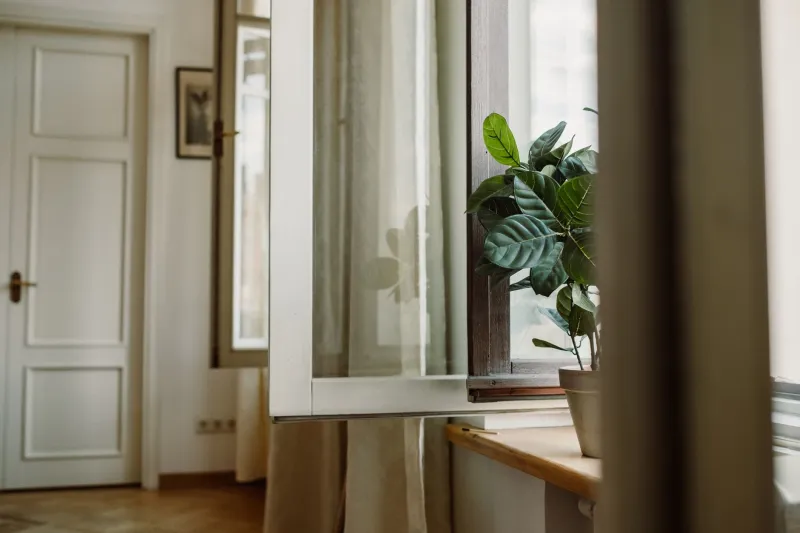
There's something deeply ironic about cracking open a window to "let in some fresh air" when the air already inside your home might be the bigger problem. Most of us assume outdoor pollution is the enemy — car exhaust, factory smoke, wildfire haze. And sure, that stuff is real. But the EPA has quietly acknowledged for decades that indoor air can be anywhere from two to five times more polluted than outdoor air. In some cases, up to 100 times worse.
Read that again. The place you retreat to for safety and rest might be the most chemically saturated environment you spend time in all day.
The Invisible Ingredients in Your "Clean" Home
Let's start with the obvious culprit most people overlook: that fresh, clean scent you love. Whether it's a plug-in air freshener, a scented candle, a dryer sheet, or a spray bottle of something lemony and cheerful, that smell is almost never coming from actual lemons or actual flowers. It's coming from synthetic fragrance compounds — a legal catch-all term that can encompass hundreds of undisclosed chemicals under a single word on an ingredient label.
Many of these compounds fall into a category called volatile organic compounds, or VOCs. These are carbon-based chemicals that evaporate at room temperature, meaning they literally float off surfaces and products and enter the air you breathe. Some VOCs are relatively harmless in small doses. Others — like benzene, formaldehyde, and toluene — are known carcinogens or endocrine disruptors, even at low levels of chronic exposure.
The cruel twist? A lot of air fresheners don't just add VOCs to your air. Some actually react with ozone already present indoors to create secondary pollutants like formaldehyde. You're trying to make your home smell better and accidentally triggering a chemical reaction in your living room.
Your Furniture Is Exhaling
Synthetic fragrances are just one piece of the puzzle. The furniture you sit on, the flooring you walk across, and the cabinets in your kitchen are likely off-gassing too. This process — where materials release trapped chemicals into the surrounding air over time — is especially common in products made with:
- Pressed wood or particleboard (think flat-pack furniture from big-box stores), which often uses urea-formaldehyde resins as a binder
- New carpet and carpet padding, which can release VOCs like styrene and 4-phenylcyclohexene for months after installation
- Vinyl flooring, a significant source of phthalates — plasticizers linked to hormonal disruption
- Foam cushions and mattresses, especially older ones treated with flame retardants like PBDEs, chemicals associated with thyroid disruption and developmental issues in children
Off-gassing is most intense when products are new, which is why that "new car smell" or "new furniture smell" — as appealing as it might seem — is actually a red flag, not a feature.
The Rooms With the Worst Air
Not all rooms are equally contaminated. A few hotspots worth knowing about:
The kitchen tends to accumulate combustion byproducts from gas stoves, including nitrogen dioxide and carbon monoxide, plus VOCs from cleaning sprays and non-stick cookware heated past certain temperatures. That Teflon pan releasing a faint smell at high heat? That's not nothing.
The bathroom is a VOC trap — hairsprays, synthetic perfumes, bleach-based cleaners, and aerosol products all release chemicals in a small, often poorly ventilated space.
The bedroom might surprise you. We spend a third of our lives there, and it's full of off-gassing materials: mattresses, pillows, pressed wood dressers, and synthetic carpets. If you've ever woken up with a headache or felt groggy despite a full night's sleep, your bedroom air quality is worth investigating.
The laundry room is underrated as a pollution zone. Conventional dryer sheets and fabric softeners release compounds including acetaldehyde and benzyl acetate through dryer vents — and sometimes back into the home.
Why Ventilation Is Both the Problem and the Solution
Here's something that's changed dramatically over the past few decades: American homes are more airtight than ever. Energy efficiency standards have pushed builders to seal homes tightly to reduce heating and cooling costs. That's great for your utility bill. It's not great for air circulation.
Less air exchange with the outside means VOCs, particulates, and other indoor pollutants have nowhere to go. They just... accumulate. In older, draftier homes, at least the bad stuff had an escape route.
The straightforward fix — opening windows whenever weather and outdoor air quality allow — remains one of the most effective and free interventions available. Cross-ventilation, even for 10 to 15 minutes a day, can meaningfully reduce indoor pollutant concentrations. It sounds almost too simple, but it works.
Natural Strategies That Actually Help
Beyond just opening windows, there are meaningful steps you can take to clean up your indoor air without reaching for another chemical product:
Ditch synthetic air fresheners entirely. Seriously, just stop. Replace them with beeswax candles (which actually purify air when burned), essential oil diffusers used sparingly, or simply simmering citrus peels and herbs on the stove. Your nose will adjust, and your lungs will thank you.
Bring in houseplants — strategically. NASA's famous clean air study identified specific plants that absorb VOCs, including spider plants, peace lilies, snake plants, and pothos. You'll need more than one or two to make a measurable dent in a full room, but they contribute to overall air quality and they're good for your mental health too.
Swap cleaning products for genuinely simple alternatives. White vinegar, baking soda, castile soap, and hydrogen peroxide handle the vast majority of household cleaning tasks without releasing a single synthetic VOC. If you want something pre-made, look for products certified by third parties like EWG (Environmental Working Group) or those carrying the EPA's Safer Choice label.
Air out new furniture and building materials before bringing them fully indoors. If you've just bought a new couch or had new flooring installed, give it time in a garage or outdoors — or at minimum, ventilate the room heavily for the first few weeks.
Use exhaust fans consistently. Your kitchen range hood and bathroom fan exist for a reason. Run them during and after cooking and showering. If your range hood vents to the outside (rather than just recirculating air), even better.
Consider a HEPA air purifier for high-traffic rooms — especially bedrooms. Look for models that also include activated carbon filters, which are designed to capture VOCs and gaseous pollutants, not just particulates.
The Bigger Picture
There's a pattern worth naming here: we've been sold the idea that a clean home smells a certain way — usually like synthetic pine, lavender, or citrus blasted from an aerosol can. That association has been carefully constructed by companies whose business model depends on you buying more product, not on your actual wellbeing.
Real clean doesn't smell like anything in particular. Real clean is air that moves, surfaces free of chemical residue, and materials chosen with some care for what they're made of. It's less glamorous than a freshly spritzed room, but it's what your body is actually asking for.
Your home should be a refuge — a place where your nervous system can downshift and your cells can do their repair work in peace. That becomes a lot harder when the air is quietly working against you. The good news is that you don't need to gut-renovate your house or spend a fortune on gadgets. You just need to start paying attention to what's already in there — and making some deliberate swaps.
That's what living clean actually looks like.